5 AI Trends Reshaping HR in 2026
From predictive analytics to generative AI for L&D — discover how forward-thinking HR leaders are leveraging artificial intelligence to drive business outcomes.
Dr. Elena Marchetti
Chief AI Officer, Workday

Artificial intelligence is no longer a futuristic concept in HR — it's here, and it's transforming every aspect of how we manage talent, engage employees, and drive organizational success.
As we navigate through 2026, HR leaders are increasingly turning to AI-powered solutions to solve complex challenges, from talent acquisition to retention, learning and development to performance management. Based on our research at Workday and insights from leading organizations, here are the five most significant AI trends reshaping the HR landscape this year.
1. Predictive Analytics for Talent Retention
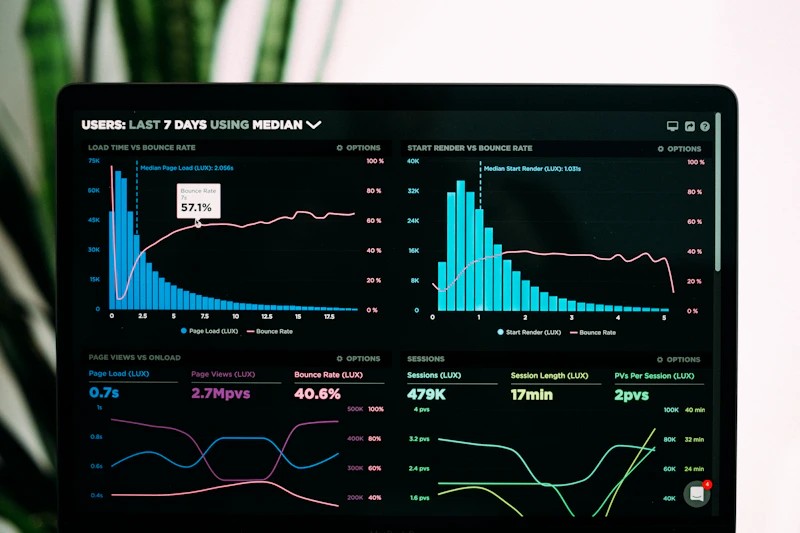
One of the most impactful applications of AI in HR is predictive analytics for employee turnover. By analyzing historical data, performance metrics, engagement survey results, and even communication patterns, AI models can now identify employees who are at risk of leaving with up to 85% accuracy.
Companies like IBM and Google have been using these insights to implement targeted retention strategies, resulting in a 30% reduction in voluntary turnover. The key is not just predicting who might leave, but understanding why — and taking proactive action.
Key Takeaway
Organizations using predictive analytics for retention see up to 30% reduction in voluntary turnover within the first year of implementation.
2. Generative AI for Learning & Development

Generative AI is revolutionizing how employees learn and develop new skills. Instead of one-size-fits-all training programs, AI now creates personalized learning paths tailored to each employee's role, skill gaps, and career aspirations.
Tools like ChatGPT Enterprise and specialized L&D platforms can generate custom training materials, simulate real-world scenarios for practice, and provide instant feedback. This has reduced time-to-competency by up to 40% in early adopter organizations.
3. AI-Powered Talent Acquisition

The traditional resume screening process is becoming obsolete. AI-powered recruitment platforms can now analyze thousands of applications in minutes, identifying the best candidates based on skills, experience, and cultural fit.
Beyond screening, AI is now conducting initial interviews through conversational interfaces, scheduling meetings, and even predicting candidate success in specific roles. Companies using AI in recruitment report:
- 75% reduction in time-to-hire
- 40% improvement in quality of hire
- 50% decrease in cost-per-hire
- Significant reduction in unconscious bias
4. Continuous Performance Management

Annual performance reviews are being replaced by continuous feedback loops powered by AI. Platforms now aggregate real-time feedback from multiple sources — managers, peers, and project outcomes — to provide a holistic view of employee performance.
AI identifies patterns in feedback, highlights strengths and areas for improvement, and even suggests personalized development goals. This approach has led to a 25% increase in employee engagement and a 20% boost in productivity in organizations that have adopted continuous performance management.
5. Employee Wellbeing and Mental Health Support

Perhaps the most humane application of AI in HR is in employee wellbeing. AI-powered platforms can now detect early signs of burnout, stress, or disengagement by analyzing work patterns, communication sentiment, and self-reported data.
When potential issues are identified, these systems can suggest interventions — from recommending a break to connecting employees with mental health resources. Companies implementing AI wellbeing tools have reported:
- 35% reduction in burnout-related absences
- 50% increase in utilization of mental health benefits
- 42% improvement in employee satisfaction scores
Looking Ahead
The integration of AI into HR is not about replacing human judgment — it's about augmenting it. The most successful organizations will be those that find the right balance between AI-driven insights and human empathy and intuition.
As we look ahead to HR Tech Europe 2026, these trends will be front and center in our conversations. We invite you to join us in Amsterdam to explore how your organization can leverage AI to drive HR transformation and create a more engaging, productive, and human workplace.
Dr. Elena Marchetti
Chief AI Officer, Workday
Dr. Marchetti leads AI strategy at Workday, helping global enterprises leverage artificial intelligence for HR transformation. She holds a PhD in Computer Science from MIT and has been recognized as one of the "Top 50 Women in AI" by Forbes.
Related Articles
You might also find these interesting


Comments (3)
Leave a Comment
John Doe
March 16, 2026Great article! The predictive analytics trend is particularly interesting. We're currently implementing a similar system at our company and seeing promising early results.
Sarah Miller
March 16, 2026Thank you for sharing these insights, Dr. Marchetti. The wellbeing applications of AI are often overlooked, but they're so important for sustainable workforce management.
Dr. Elena Marchetti
March 17, 2026 AuthorThanks Sarah! You're absolutely right. The human-centric applications of AI are where we'll see the most meaningful impact. Hope to see you at HR Tech Europe!